
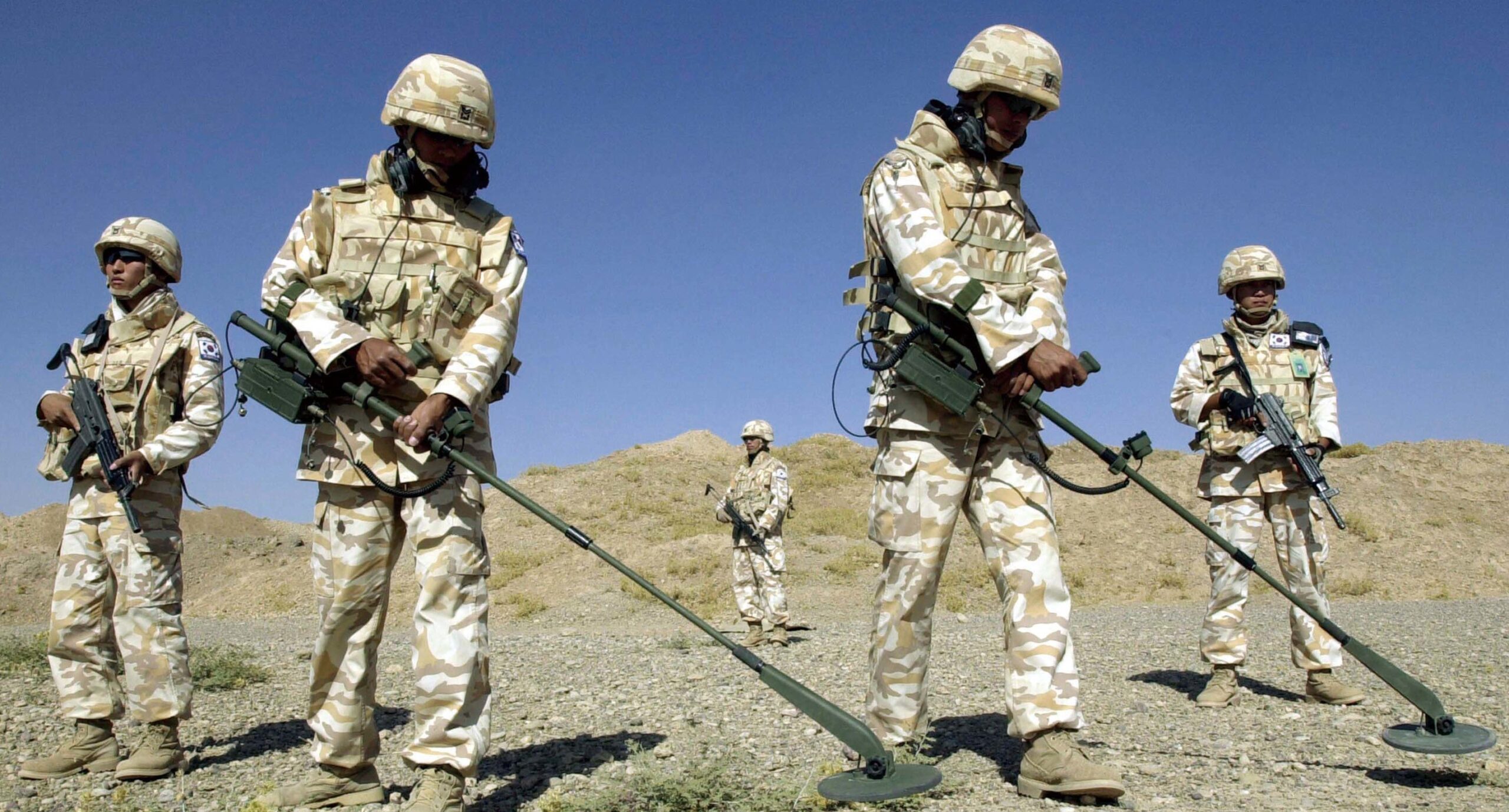
As modern warfare evolves at an unprecedented pace, humanitarian deminers around the world are facing a new and dangerous challenge: keeping up with rapidly advancing military technology. From smart landmines to drone-deployed explosives, the tools of war are becoming more sophisticated—making the job of clearing them increasingly complex and risky.
A Growing Threat Beneath the Surface
In post-conflict regions across Africa, the Middle East, and Eastern Europe, millions of unexploded devices remain hidden underground. These remnants of war pose a long-term threat to civilians, especially in agricultural communities where people rely on land for survival.
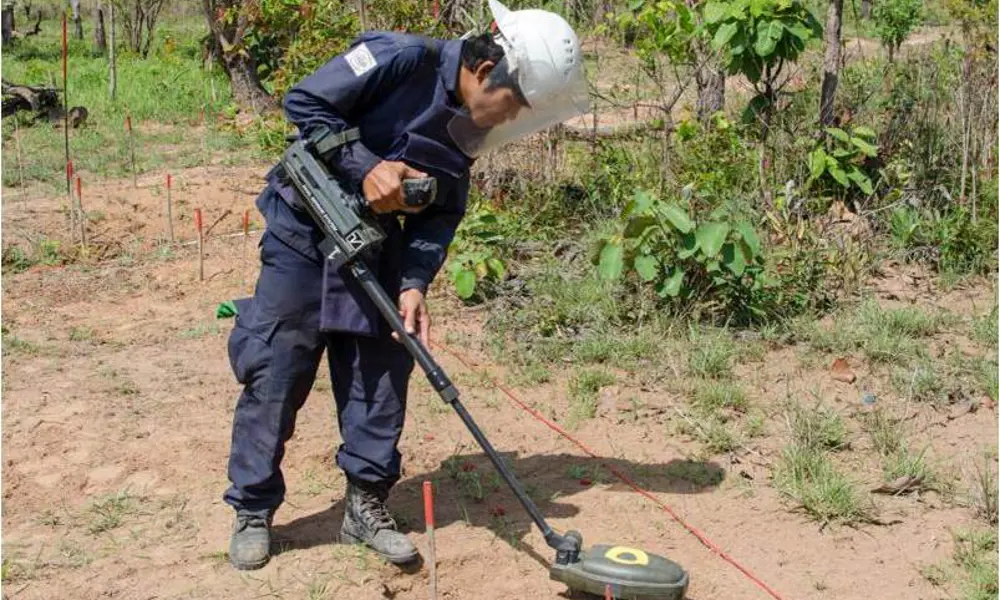
Traditional landmines, once relatively simple mechanical devices, have now been replaced or supplemented by advanced systems equipped with anti-handling mechanisms, sensors, and delayed triggers. These innovations are designed to evade detection and target even trained deminers.
Technology Outpacing Humanitarian Efforts
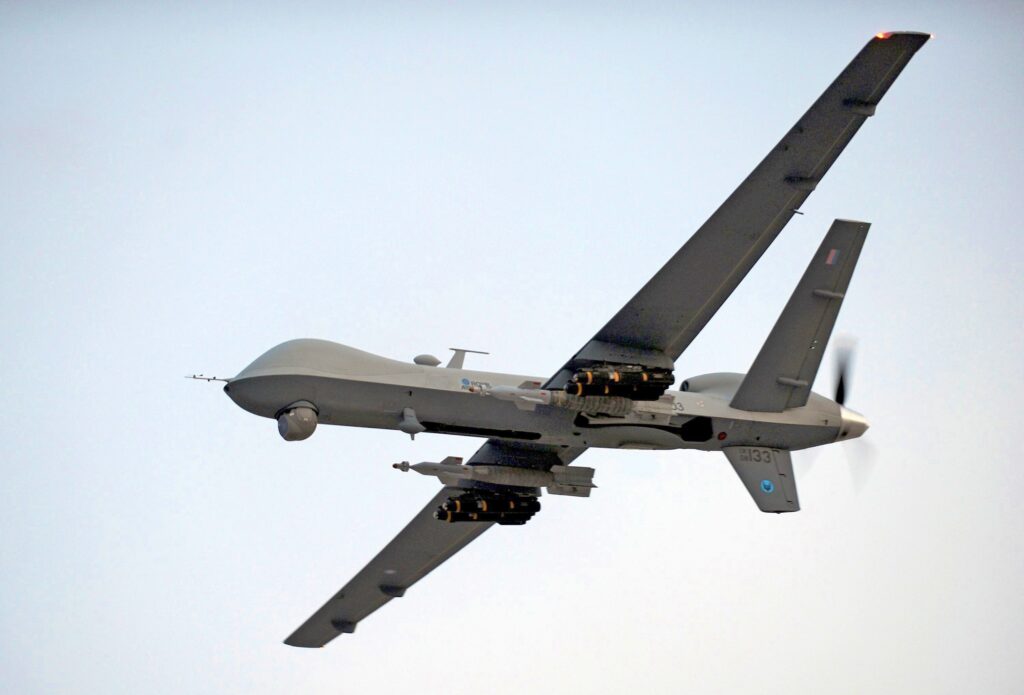
Military forces are increasingly using drones and automated systems to deploy explosive devices in hard-to-reach areas. Some modern mines can even detect footsteps, body heat, or electronic signals—turning entire landscapes into invisible danger zones.
For demining organizations, this presents a serious gap. Many teams still rely on manual detection methods such as metal detectors and prodding sticks, which are not always effective against low-metal or plastic-based explosives.
“The pace of innovation in weapon systems is far ahead of what humanitarian operations can match,” said one field expert. “We’re often trying to solve tomorrow’s problems with yesterday’s tools.”
Innovation in Demining: A Race Against Time
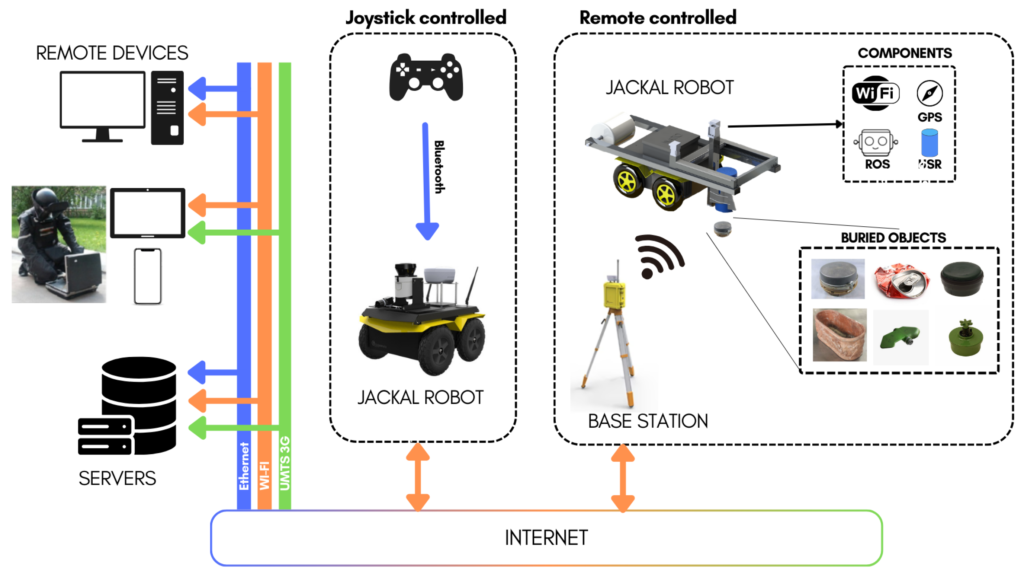
To bridge the gap, organizations are turning to new technologies of their own. Ground-penetrating radar, artificial intelligence, and robotic systems are being tested to improve detection accuracy and reduce risk to human life.
Specially trained dogs and even rats are also playing a vital role, using their sense of smell to identify explosives more efficiently than machines in some cases. Meanwhile, drones equipped with sensors are being deployed to scan large areas quickly.
However, these solutions come with high costs and need significant training—resources that are often scarce in war-affected regions.
The Human Cost
Despite technological advancements, the human toll remains severe. Thousands of people are killed or injured by landmines and unexploded ordnance each year, many of them civilians. Children are particularly vulnerable, often unaware of the hidden dangers.
For survivors, injuries can be life-altering, requiring long-term medical care and rehabilitation. Entire communities are affected, as contaminated land cannot be safely used for farming, housing, or infrastructure development.
A Call for Global Cooperation
Experts say that addressing this issue requires stronger international cooperation, increased funding, and a renewed commitment to banning and removing landmines worldwide.
While treaties such as the Ottawa Convention have made progress in limiting the use of anti-personnel mines, not all countries are signatories, and enforcement remains a challenge.
“The world cannot afford to fall behind,” said a humanitarian coordinator. “As weapons evolve, so must our efforts to remove them—and protect those most at risk.”
Looking Ahead
The race between military innovation and humanitarian response shows no signs of slowing down. For deminers working on the front lines, the mission is clear but increasingly difficult: save lives by clearing the hidden remnants of war—no matter how advanced they become.
In a world shaped by rapid technological change, ensuring safety beneath the surface may prove to be one of the greatest challenges of our time. Source – UN